01
Fill & polarize
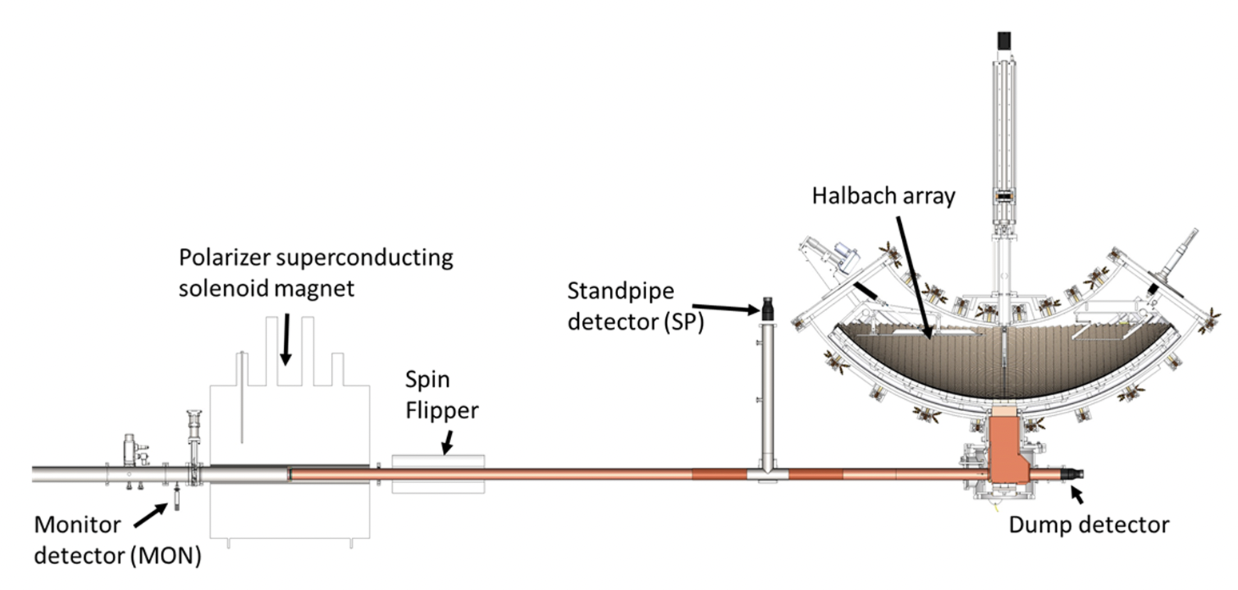
Ultracold neutrons are transported through the beamline, polarized and directed into the storage apparatus. Beamline monitors and detectors provide information about the delivered UCN population.
Experimental infrastructure, vacuum-system operations, detector installation, beamline readiness, diagnostic development and commissioning support for the magneto-gravitational neutron-lifetime experiment at LANL.
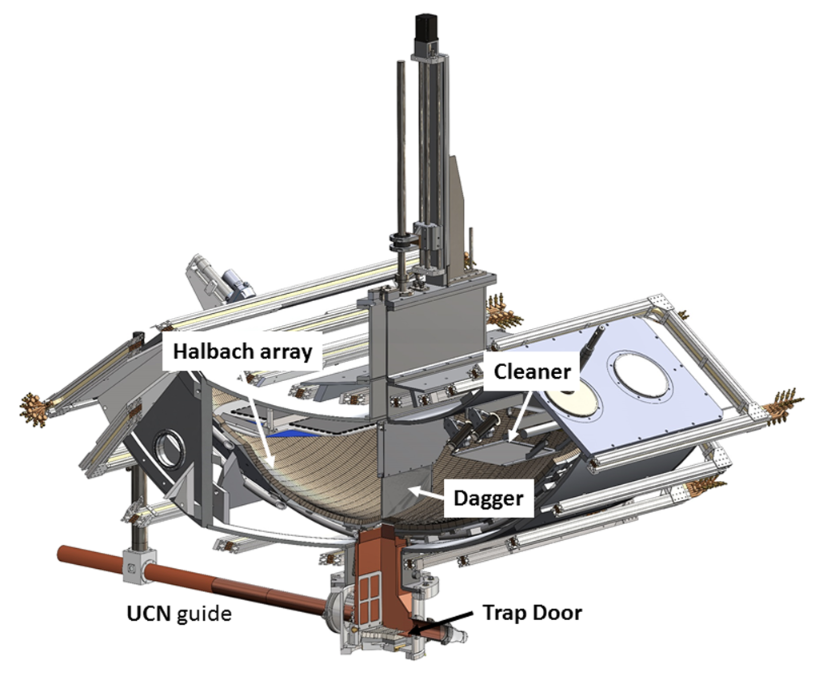
UCNτ stores polarized ultracold neutrons in an asymmetric, open-top trap lined with a Halbach array of permanent magnets. The magnetic field repels weak-field-seeking neutrons from the trap surface while gravity confines them vertically, reducing losses from contact with material walls during storage.
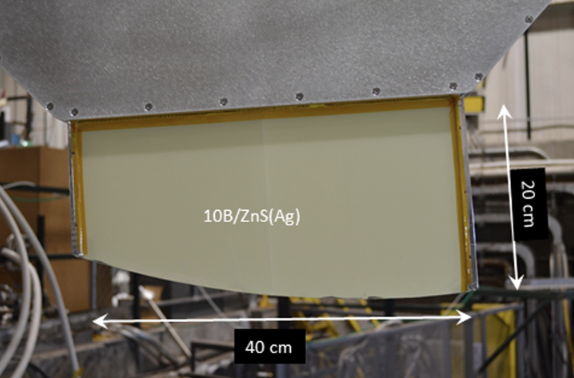
After a controlled storage interval, a movable in-situ detector known as the dagger is lowered into the trap to count surviving neutrons. Comparing surviving populations after different storage times provides a measurement of the neutron lifetime.
Ultracold neutrons are transported through the beamline, polarized and directed into the storage apparatus. Beamline monitors and detectors provide information about the delivered UCN population.
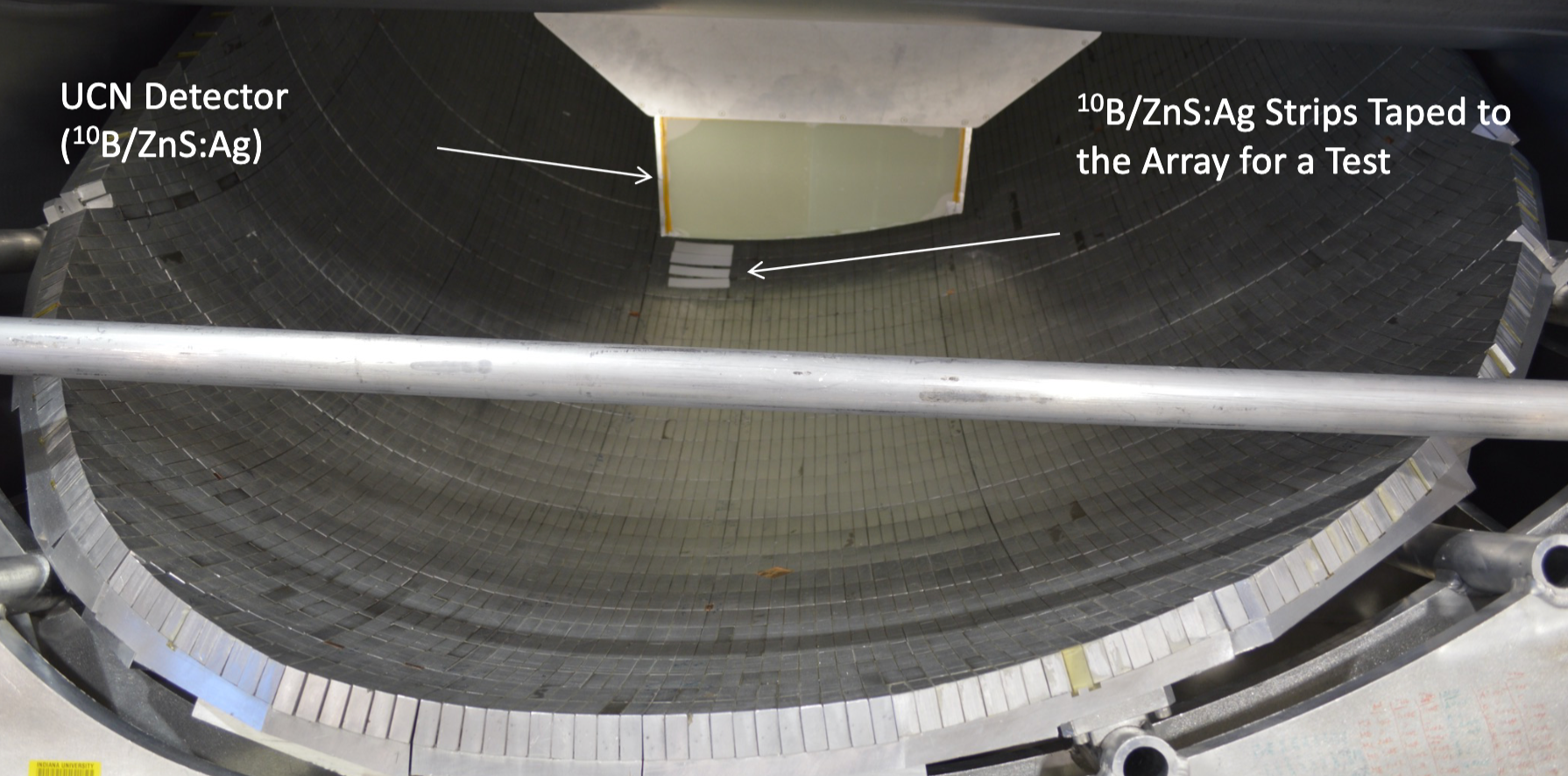
The permanent-magnet Halbach array creates a strong magnetic boundary while gravity closes the trap vertically. The goal is to store UCN while minimizing non-decay losses associated with material bottle walls.
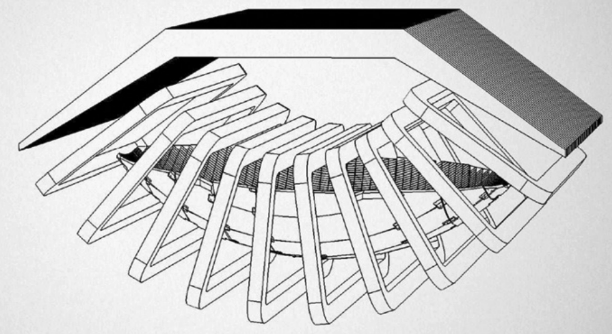
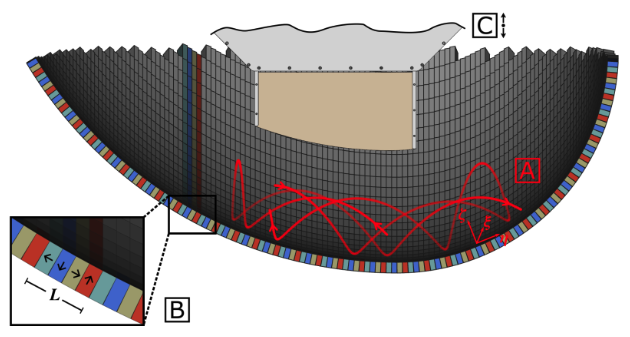
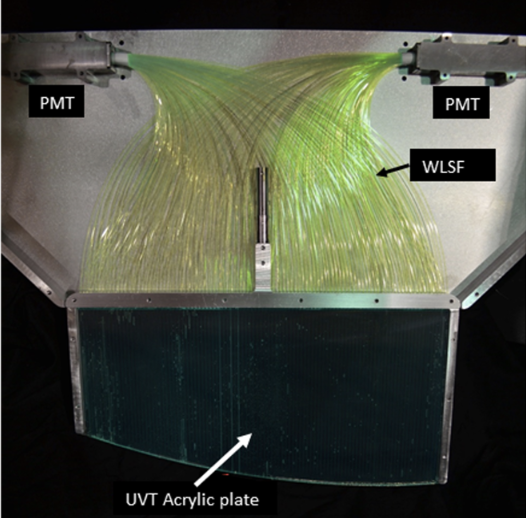
After the selected storage time, the dagger is lowered into the trap. Neutrons captured in the detector produce scintillation light that is carried through wavelength-shifting fibers to photomultiplier tubes for counting.
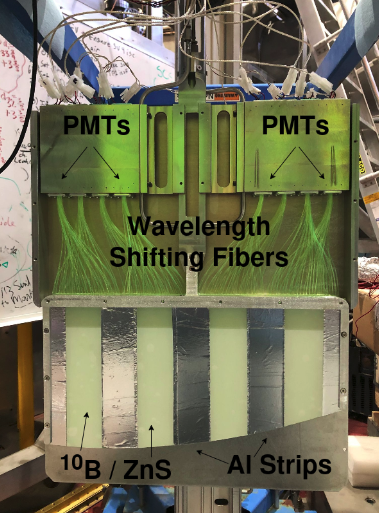
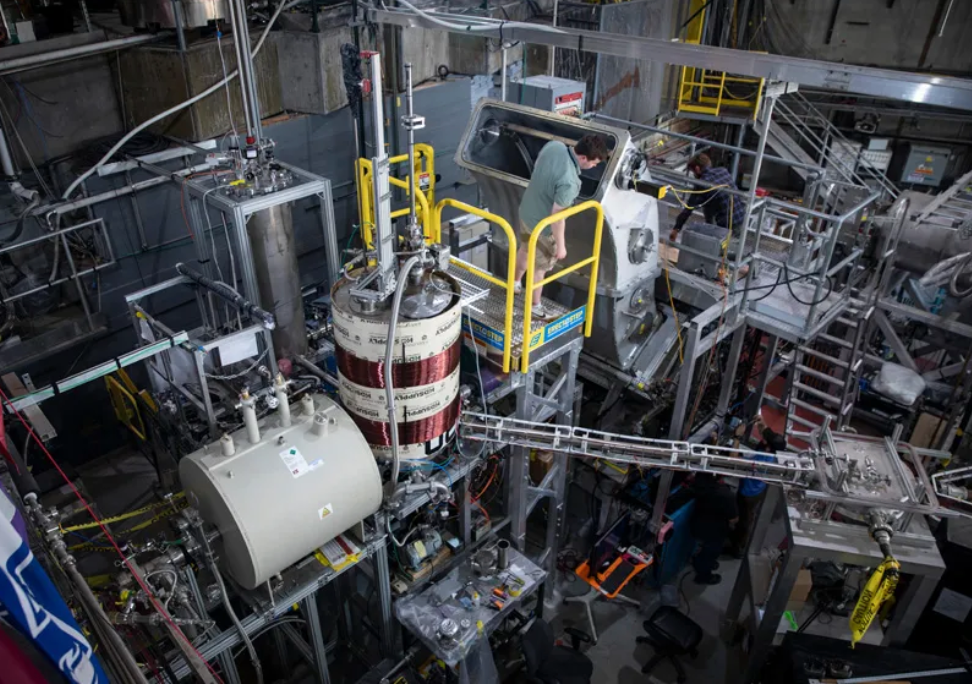
I supported UCNτ by bringing electrical power, compressed air and gas utilities to the experiment; performing major vacuum-chamber operations and crane lifts; supporting dagger installation and beamline connection readiness; and helping bring new hardware into an operable experimental configuration. I also developed a custom IR-camera diagnostic fixture to investigate vibration during trap motion and helped a student get started with image cleanup and object-identification methods for motion analysis.
My work centered on the physical interfaces that allowed the experiment and its upgrades to be installed, evacuated, connected, tested and handed over for operation.
I brought electrical power, compressed air and gas services to the experiment and supported the practical interfaces required to connect UCNτ to the surrounding UCN facility. This included preparing for beamline connection and coordinating the hardware, access and utility needs around experimental work.
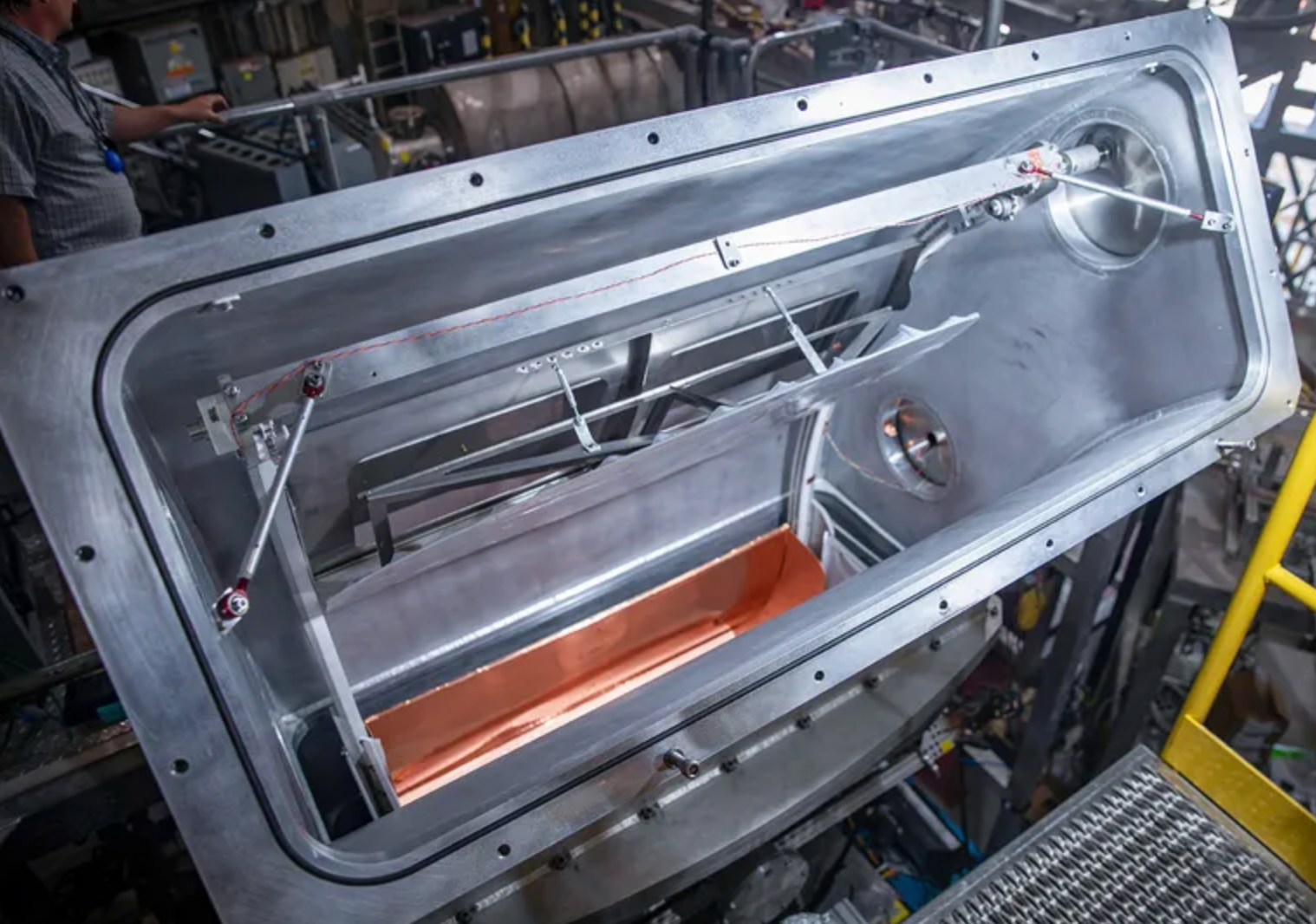
I supported major vacuum-chamber operations and crane lifts around the apparatus, including work required to access the trap and install experimental hardware. I also supported installation of the movable dagger detector and readiness for reconnection to the UCN beamline.
To investigate vibration observed during trap motion, I built a custom diagnostic fixture that positioned an infrared camera over an existing ConFlat viewport. The 3D-printed fixture incorporated the camera, IR illumination and heat sinking so the moving hardware could be observed without opening the vacuum system. I also helped a student get started with basic image-cleanup and object-identification approaches for extracting motion from the recorded imagery.
The UCNτ+ upgrade replaced the original loading approach with a movable UCN loading volume — an “elevator” — intended to improve transfer of ultracold neutrons into the magnetic trap. The upgrade added substantial new vacuum and mechanical hardware above the existing experiment.
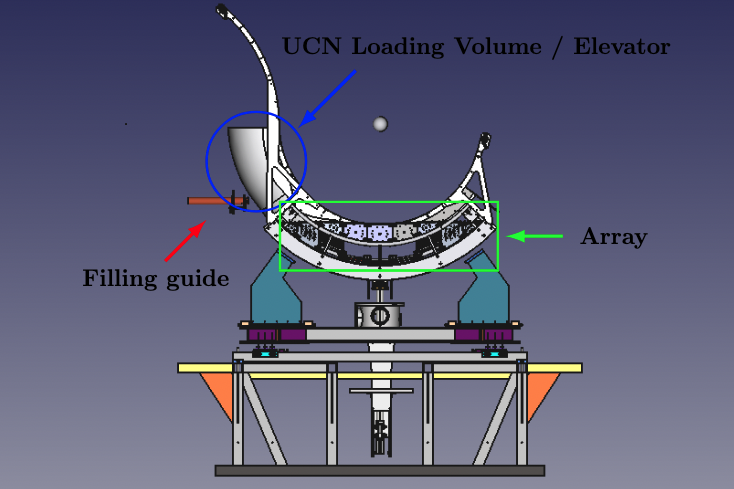
I performed extensive crane operations and fitting work while the UCNτ+ elevator and vacuum extension were installed and commissioned. The work required repeatedly positioning large hardware around the existing apparatus, establishing the new mechanical and vacuum interfaces, and supporting the team as the upgrade moved from installation into functional checkout.
Across the original apparatus and later upgrade work, my role was to make sure the physical experiment was ready to operate: utilities available, vacuum and mechanical interfaces assembled, major hardware safely moved and installed, detector / beamline connections ready, and commissioning problems worked through with the experiment team.
I have not identified a UCNτ neutron-lifetime publication that lists me as an author. The UCNτ papers and presentations on the Sources page are therefore used as project references, not represented as my publications. My verified UCN detector coauthorship is listed with the broader UCN facility work and on the Publications page.